E-commerce in Kuwait has become part of everyday life, from grocery and food delivery in Kuwait City to fashion, electronics, and cross-border shopping. For retailers and brands, the question is no longer whether to sell online, but how to build a store that converts, pays out through local channels, and scales as demand grows. Understanding the e-commerce trends shaping online retail in Kuwait is the first step.
This guide covers what makes the Kuwaiti market distinctive, why local payments matter so much, and what a modern online store needs to compete.
A Mobile-First Shopping Market
Kuwait is one of the most connected markets in the region, and shopping behavior reflects it. A large share of browsing, discovery, and buying happens on smartphones, often prompted by social media. That makes a fast, mobile-first storefront the baseline rather than a nice-to-have.
It also raises the bar on experience. Shoppers expect pages that load quickly on a phone, search that actually finds products, and a checkout that can be completed in a few taps. Every extra step or slow screen is a chance for the customer to leave.
Local Payments Matter: KNET, Cards, and Cash on Delivery
Payment preferences are where many international store templates fall short in Kuwait. Local shoppers expect to pay through familiar methods, and support for the national KNET payment network is close to essential for a Kuwaiti storefront. Alongside it, international cards, digital wallets, and cash on delivery all still play a role depending on the audience.
Getting the payment mix right has a direct impact on conversion. A store that only offers unfamiliar payment options will lose sales it never even sees, while one that meets customers where they are removes friction at the most important moment.
The Investment and Growth Context
The rise of online retail in Kuwait sits within a wider push toward a diversified, digital economy. National efforts to attract investment and grow the private sector, coordinated by bodies such as the Kuwait Direct Investment Promotion Authority, are part of the backdrop against which digital commerce is expanding (see KDIPA: https://kdipa.gov.kw/).
For brands, the practical takeaway is that the market is maturing. Customer expectations, logistics, and payments infrastructure are all improving together, which rewards retailers who invest in a genuinely good online experience rather than a minimal one.
What a High-Converting Online Store Needs
Beyond looking good, a competitive store in Kuwait needs strong fundamentals: fast performance, clean product data, bilingual Arabic and English content with proper right-to-left layouts, a streamlined checkout, and reliable integration with payment and delivery providers.
These requirements shape the choice of platform and how it is built. Retailers weighing a new launch or a replatform often work with a team experienced in e-commerce development to get the architecture, payments, and performance right the first time.
Mobile Commerce and Customer Loyalty
For many Kuwaiti retailers, a dedicated shopping app is the next step after a strong mobile web store. Apps enable push notifications, faster repeat checkout, loyalty programs, and a smoother experience for the most valuable, most frequent customers.
The decision is not automatic: an app only pays off when there is enough repeat custom to justify it. But for brands with a loyal base, mobile app development can turn occasional buyers into regulars and lift lifetime value considerably.
Retail Technology Beyond the Storefront
The storefront is only the visible part of e-commerce. Behind it, inventory management, order fulfillment, and unified customer data across online and physical channels determine whether growth is profitable or chaotic. Retailers that connect these systems can offer omnichannel experiences, such as buy online and collect in store, that customers increasingly expect.
This is where retail-focused software makes the difference, turning a single online store into a connected commerce operation.
How Eurisko Builds E-commerce in Kuwait
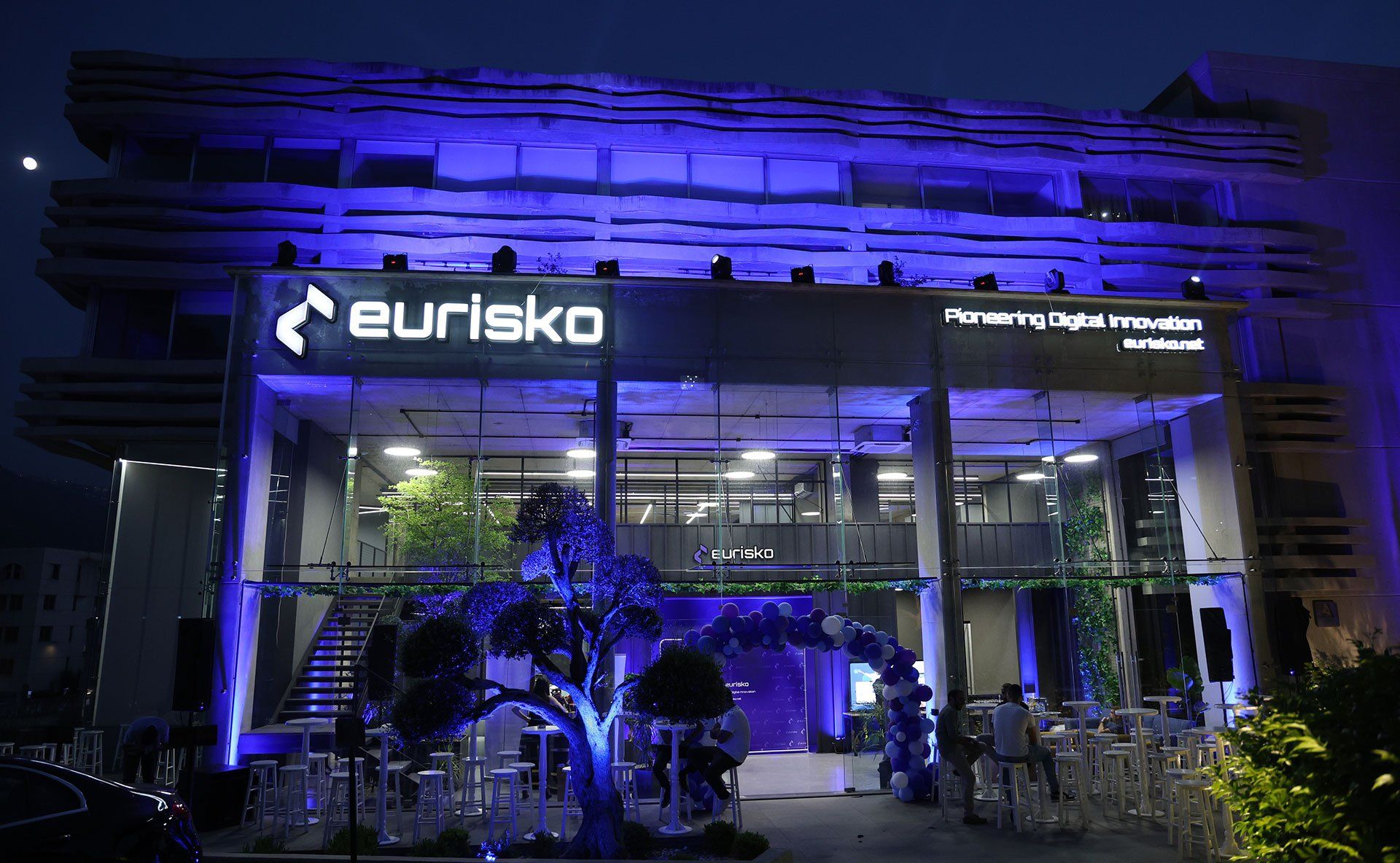
Since 2009, Eurisko has grown into a software and AI company with more than 200 in-house engineers and over 500 apps shipped, serving retail, banking, telecom, media, and government clients across the MENA region. That breadth means an online store can be built with the payments, performance, and integrations the Kuwaiti market demands, and supported by mobile and data capabilities as it grows.
For brands planning to launch or scale online in Kuwait, the winning formula is a fast, localized store, the right local payment options, and a technology foundation ready for whatever the business does next.