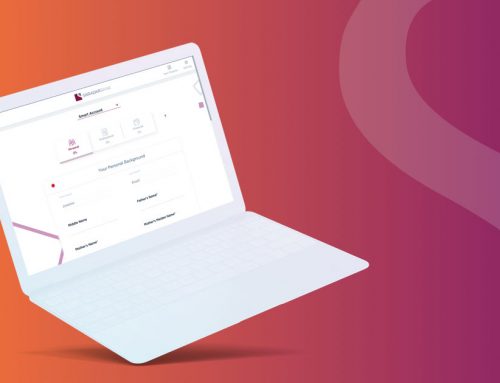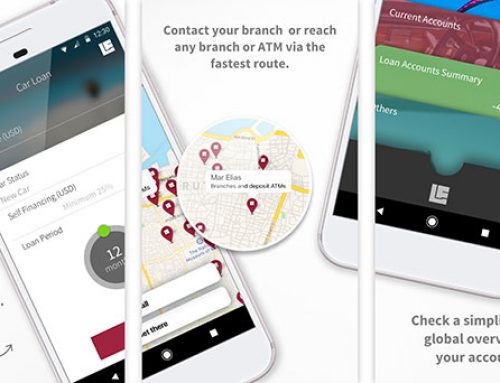


Remember when opening a bank account in the GCC felt like a part-time job? Customers had to block out an afternoon to visit a branch, present a mountain of physical documents, and then wait days for manual verification before their account was finally active.
Today, the landscape is unrecognizable. Across Saudi Arabia, the UAE, Qatar, and Kuwait, a massive digital shift is underway. Forward-thinking banks are onboarding new customers in under five minutes, entirely through their mobile devices.
By redesigning their digital platforms to support real-time identity verification, AI-powered compliance checks, and seamless mobile journeys, banks are killing the waiting game. But this transformation isn’t just about offering a sleek app, it represents a fundamental shift in how financial institutions acquire customers, reduce operational costs, and build lasting digital relationships.
Digital onboarding is no longer a back-office compliance necessity. It is the most important strategic capability for financial institutions in the region.
Why the Sudden Rush to Transform?
Traditional banks aren’t overhauling their legacy systems just for aesthetics. They are responding to intense market pressures and massive shifts in user behavior. Several key factors are driving this rapid evolution:
- The Fintech Threat: Digital-native disruptors and neobanks have completely rewritten the rules of user experience. They have set a new baseline for speed, forcing traditional banks to modernize or risk irrelevance.
- Regulatory Modernization: Governments across the GCC are aggressively encouraging digital financial services. Initiatives aligned with national visions (like Saudi Vision 2030) are fostering digital identity ecosystems while maintaining ironclad compliance and AML (Anti-Money Laundering) frameworks.
- The Mobile-First Consumer: Today’s customers are conditioned by apps like Uber and Amazon. They expect financial services to be instant, intuitive, and available 24/7. Friction is no longer tolerated; a clunky onboarding process translates directly to cart abandonment.
The 7 Stages of Onboarding Architecture: Where Does Your Bank Stand?
Digital onboarding has evolved from simply digitizing paper forms to highly complex, ecosystem-driven journeys. As banks modernize, we are seeing seven distinct backend architectures emerge. Understanding where your institution sits on this spectrum is critical for your digital roadmap.
1. The Monolithic Trap
Many banks still rely on legacy monolithic platforms where every function—identity verification, compliance checks, core integration—is tightly woven into a single application codebase.
The Verdict: While these systems can handle basic digital onboarding, they are incredibly fragile. They struggle to adapt to new regulatory changes and often crash or bottleneck during periods of high customer demand.
2. Digital Onboarding Gateways
To patch the holes in legacy systems, some banks introduced a “gateway” middleware layer between their digital channels and backend core banking systems. This layer manages the communication between the mobile app and third-party verification services.
The Verdict: This is a band-aid. It improves flexibility compared to monolithic systems, but as transaction volumes scale, the gateway itself quickly becomes a choke point.
3. Workflow Orchestration Platforms
Moving toward a more dynamic model, many banks now utilize workflow orchestration engines. Instead of hard-coded application logic, onboarding processes are defined as configurable workflows.
The Verdict: A massive step forward. This allows banks to instantly adjust flows based on a customer’s risk profile, nationality, or changing regulations without rewriting code.
4. Microservices-Based Platforms
This is where true modernization begins. In a microservices model, onboarding functions are broken down into independent, bite-sized services (e.g., ID verification, sanctions screening, product provisioning) that communicate via APIs.
The Verdict: The modern standard. This approach radically improves scalability, resilience, and development speed. If one service goes down, the whole system doesn’t crash.
5. Event-Driven Architectures
Event-driven systems are becoming the most effective way to manage complex workflows. Instead of executing steps one after the other (sequentially), the system reacts instantly to “events” (like a document being approved).
The Verdict: The speed multiplier. Because multiple onboarding steps can run in parallel, onboarding times are slashed. It also allows banks to effortlessly handle massive spikes in traffic during marketing campaigns.
6. AI-Assisted Systems
Artificial intelligence is now taking the wheel. Modern platforms leverage AI to validate physical identity documents, detect deepfakes or fraudulent submissions, perform biometric facial recognition, and analyze customer risk profiles in milliseconds.
The Verdict: The intelligent layer. AI automates processes that historically required armies of human compliance officers, dramatically improving both speed and security while reducing application abandonment.
7. Ecosystem-Integrated Platforms (The Holy Grail)
The most advanced systems integrate directly with national digital identity ecosystems (such as UAE Pass or Saudi Arabia’s Nafath).
The Verdict: The ultimate frictionless experience. By leveraging government-backed identity services, banks can verify customers instantly with zero manual data entry required from the user, ensuring perfect regulatory compliance.
4 Key Trends Shaping the Future
As we look at the current GCC landscape, four clear trends are defining the next generation of digital banking:
- Onboarding is Real-Time: “Pending approval” is a phrase of the past. Customers expect to use their virtual cards the second they hit submit.
- Onboarding is Data-Driven: Banks are treating onboarding flows like e-commerce funnels, aggressively analyzing drop-off points and A/B testing interfaces to maximize conversion rates.
- Onboarding is Intelligent: AI isn’t just for fraud; it’s being used as a real-time guide, helping users correct poorly lit photos or typos before they become compliance rejections.
- Onboarding is Ecosystem-Driven: The future is collaborative. Banks are plugging into wider governmental and financial networks to create seamless user journeys.
The Future is Invisible
Over the next few years, the concept of “signing up” for a bank account will virtually disappear.
We are moving toward fully adaptive systems where AI-powered financial assistants guide users through the process conversationally, instantly recommending tailored financial products based on their unique digital footprint.
Onboarding will transition from a static, one-time hurdle into an ongoing, highly personalized digital relationship. As competition between traditional banks and fintech disruptors intensifies, the onboarding experience will increasingly become the front door to the entire banking ecosystem.
Is your bank’s front door wide open, or is it stuck on its hinges?
About Eurisko
Eurisko is a premier digital transformation and technology company supporting financial institutions across the Middle East in building next-generation digital platforms. Specializing in digital banking solutions, intelligent onboarding platforms, microservices architectures, digital wallets, and AI-powered customer experiences, Eurisko is engineering the future of finance.